A Professional's Review of the Long Swash Unicorn Embroidery Design
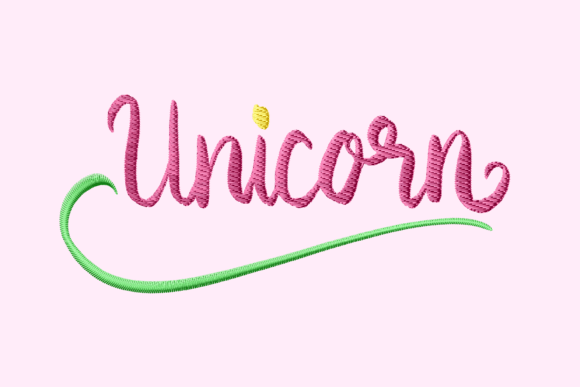
When preparing for a craft fair booth, selecting the right machine embroidery design is critical. It’s not just about a cute graphic; it’s about assessing how a design translates into sellable, tangible products. The Long Swash Unicorn embroidery file presents an intriguing opportunity. My first impression is that it leans strongly toward a decorative, whimsical, and slightly elegant aesthetic. The promise of a “long swash” suggests flowing, graceful lines, which immediately positions this as a design with a softer, more artistic feel than a bold, cartoonish unicorn. This mood is perfect for the Fairy Tales category, evoking a sense of magic and charm that resonates with a wide audience.
Where the Long Swash Unicorn Shines in a Booth Display
Visualizing my table covered in tote bags, aprons, pillow covers, and patches, I see several standout applications for this design. Its graceful nature makes it an excellent focal point on premium items. A well-executed Long Swash Unicorn on a high-quality linen pillow cover or a canvas market bag instantly elevates those products. It feels giftable and special. For smaller items, like a fabric pouch or a tea towel, it can serve as a beautiful accent. On a embroidered patch, it would attract collectors and those looking to personalize their belongings with a touch of subtle fantasy.
Customer attention at a fair is fleeting. This design’s success hinges on its clarity and appeal from a few feet away. If the “swash” elements are clean and not overly intricate, the Long Swash Unicorn will catch the eye as something different from the typical unicorn—more artistic, less childish. This can draw in buyers looking for handmade products with a sophisticated twist on a popular theme.
Practical Production for Craft Fair Sellers
Turning a digital embroidery file into a batch of craft fair products requires practical thinking. Here’s how I’d approach the Long Swash Unicorn.
Scale and Application
This design likely works best as a medium to large focal piece. Testing it at a small size on a cap or as a tiny accent on a shoe would be risky. Dense stitch areas or tiny details in the swash could lose clarity and become a thread-heavy mess on textured fabrics like towels or on curved surfaces like hats. My first production step would always be to stitch it out on scrap fabric similar to my intended products—a medium-weight cotton for totes, a linen blend for pillows—to see exactly how it behaves.
Photography and Online Sales
For Etsy sellers and those using printable mockups, this design could photograph beautifully if the thread contrast is strong. On light fabrics, with well-chosen thread colors, the elegant lines will pop. On dark fabrics, extra care is needed with stabilizer and possibly a lighter thread palette to maintain the design’s delicate feel. A real, physical mockup is non-negotiable here; it’s the only way to assess true handmade quality and value for online listings.
Batch Production and Consistency
For repeating the design across multiple items—say, a run of twenty tote bags—I need to assess its repeatability. Is the stitch density manageable without excessive thread breaks or time? Does it require a specific, large hoop size that limits my machine’s efficiency? These factors directly impact my cost and time before the fair. A graceful, flowing design can sometimes have longer stitch runs, which might be efficient if the file is well-digitized.
Critical Designer Notes Before Selling
Every experienced embroidery designer has a checklist before committing a design to commercial embroidery for a small shop product. For the Long Swash Unicorn, my notes are clear.
- Test on Scrap First: Use fabric identical to your final product. Check for puckering, tension issues, and how the design fills the space.
- Thread Contrast is Key: The elegant swash needs to be visible. Choose threads that stand out against your fabric but suit the whimsical mood—soft metallics, creamy whites, or pale pastels could work wonderfully.
- Inspect Stitch Density: High density in large areas can make fabrics stiff and unpleasant on items like pillow covers. It also wears down needles and thread faster.
- Stabilizer Selection: The right stabilizer for the fabric texture is paramount, especially if the design has fine lines that could distort on toweling or stretchy canvas.
- Create a Real Mockup: Don’t rely on digital images. Stitch one complete, finished product—a pillow, a tote—to judge its real-world appeal and production workflow.
- Compare Fabric Colors: How does the design look on ivory versus bright white? On a navy bag versus a light grey apron? This informs your product line planning.
- Confirm Commercial Licensing: The product description mentions decoration, but as a seller, I must verify the embroidery file’s license permits use for handmade products I intend to sell. This is a fundamental step.
Ultimately, the Long Swash Unicorn has the potential to add significant product value. It feels premium and decorative, which allows you to price items accordingly. In a booth display, a cohesive collection of items featuring this design—a pillow, a matching pouch, a tea towel—creates a strong brand consistency that tells a story and engages buyers. They see a theme executed well across different mediums, which builds trust in your craftsmanship.
Final Judgment for the Handmade Market
The Long Swash Unicorn is a design I would cautiously endorse for craft fair and handmade market products. Its strength lies in its artistic, whimsical mood, making it suitable for home decor and giftable accessories rather than casual apparel. For it to succeed, the technical execution of the file must support its graceful promise—clean lines, manageable density, and good scaling. If it passes the practical tests on real fabrics and confirms its commercial use license, it could become a charming, attention-grabbing centerpiece of your craft fair product line, appealing to customers looking for a touch of magical elegance in their everyday items.