Breast Cancer Sunflower Pink Elephant Embroidery Design Review
As an embroidery designer who regularly sources files from platforms like Creative Fabrica for real customer projects, I approach each download with a practical eye. When considering the Breast Cancer Sunflower Pink Elephant machine embroidery design, my immediate question is: will this file perform reliably in production and add genuine value to finished products? After evaluating it for potential use in several common handmade and commercial scenarios, here’s my honest assessment from a working designer’s perspective.
A Design That Communicates Compassion and Hope
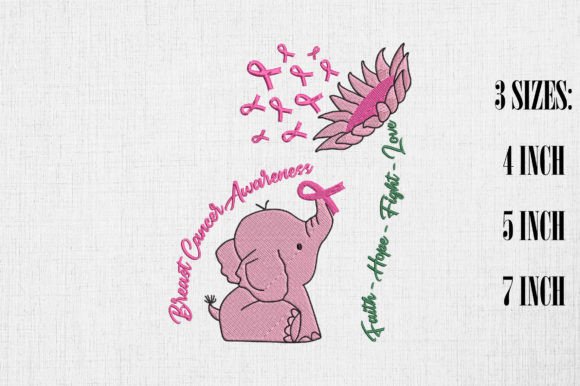
The first impression of this design is its clear visual mood. Combining the universally recognized sunflower for hope and the gentle pink elephant creates an awareness symbol that feels both hopeful and supportive. It avoids being overly somber, which makes it suitable for a wider range of handmade products. The detail level appears thoughtful, with distinct elements that should translate well into satin stitches for outlines and fill stitches for the larger areas. Its decorative appeal is strong for items meant to convey solidarity, comfort, or personal connection.
This embroidery design naturally fits projects centered on gifts, awareness, and thoughtful decor. It’s not just a logo; it’s a narrative piece. This personality makes it a candidate for items like custom apparel for fundraisers, tote bags or aprons as supportive gifts, or baby blankets and pillow covers meant for nursery decor with a meaningful touch. For an Etsy seller or small business owner, it fills a specific niche within the awareness category.
Performance in Real-World Embroidery Projects
Thinking about actual application, I considered several typical uses. For a sweatshirt or tote bag, the design’s likely composition—with both solid areas and finer details—means stabilizer choice will be key, especially on textured or stretchy fabric. On curved surfaces like caps, the success would depend on the design’s adaptability to smaller hoop sizes and whether small lettering or layered details are present; these elements can be challenging on curved cap surfaces.
For home decor items like kitchen towels or pillow covers, which may need frequent washing, stitch density is a critical factor. A overly dense fill stitch area on the sunflower or elephant could make the fabric stiff or prone to puckering. On dark fabric, thread color contrast for the pink elements would need careful planning. One of the strongest potential uses I see is creating an embroidered patch. This design, given its thematic strength, could be stitched onto a patch for jackets or bags, adding significant product value and buyer trust through its handmade presentation.
Affecting Product Value and Customer Engagement
Using this design correctly can directly enhance your product’s value. For creative entrepreneurs, it offers a way to create cohesive awareness-themed lines—think matching embroidery on a sweatshirt and tote bag for a boutique merchandise collection. Its visual appeal aids in product photography and printable mockups, making Etsy listings or craft fair displays more engaging. The design’s inherent message boosts giftability; a customer purchasing a personalized gift with this emblem is buying meaning alongside craftsmanship.
It also fosters customer engagement. When used on commercial embroidery products or handmade gifts, it tells a story, which can strengthen brand consistency for sellers focused on compassionate or supportive niches. However, this benefit hinges entirely on the technical execution of the embroidery file itself.
Practical Embroidery Notes and Considerations
Before running this file for any customer order, several standard checks are essential. Always test on scrap fabric identical to your final product fabric. This reveals how the design behaves—check for potential puckering in dense areas, the clarity of small details after stitching, and how it sits on the material. Review the stitch density visually in your software or during the test; high density might require adjustments for delicate fabrics like those used for baby items.
Check thread color contrast thoroughly. The pink elements must stand out sufficiently, especially if you’re embroidering on dark fabric. Compare light and dark fabric mockups mentally before committing. Confirm the hoop size needed by examining the design dimensions in your machine software; this is crucial for smaller items like caps or for fitting the design onto aprons or kitchen towels without redesigning.
Use the proper stabilizer for your substrate. A design with mixed stitch types may need a different stabilizer than a simple outline design. Inspect the small details—like potential tiny features on the elephant or sunflower center—to ensure they are clear and not too intricate to stitch cleanly.
The Most Important Step: Confirm File Details
The provided description states this machine embroidery design comes with multiple embroidery file formats. This is a vital feature for professional use, as it ensures compatibility across different machines. Before selling any finished items, you must personally confirm the exact file formats, any included hoop size information, and the licensing terms on the Creative Fabrica product page. Do not assume compatibility or commercial use rights; always verify.
Also, look for any notations about applique design elements. If parts of this design are intended as applique, that changes the material preparation and stitching process. Understanding the exact structure of the digital embroidery file prevents production errors.
Final Thoughts for Embroidery Designers and Crafters
The Breast Cancer Sunflower Pink Elephant embroidery design from Creative Fabrica presents a meaningful and visually appealing option for awareness-themed projects. Its strength lies in its emotional resonance and potential to elevate products that carry a message of support. From a technical perspective, its successful application depends entirely on the common professional practices we all follow: testing, verifying file specs, and adapting techniques to the specific project.
For an embroidery designer considering it for real project use—whether for a custom order tote bag, a seasonal handmade gift, or a line of craft fair products—it is worth downloading if the product details confirm the necessary file formats and your test stitch meets your quality standards. It can be a valuable design asset when used thoughtfully, helping you create finished products that are not only beautiful but also deeply meaningful.