Happy Hallowee Dancing Skeleton: A Designer's Review
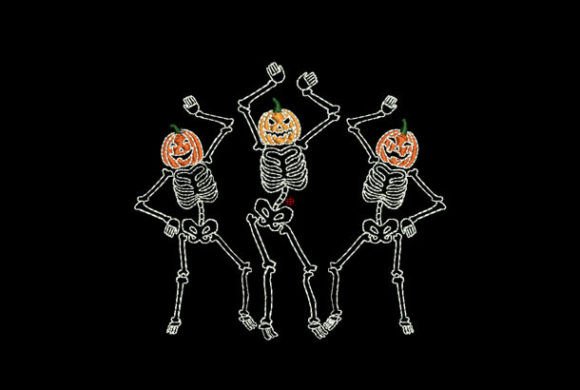
There is a certain kind of joy that comes from finding a machine embroidery design that balances personality with wearability. As someone who spends long hours planning boutique apparel collections, I pay close attention to the first few seconds of seeing a new embroidery file. With the Happy Hallowee Dancing Skeleton, that first impression landed somewhere between playful charm and seasonal confidence. It does not take itself too seriously, yet there is enough detail in the posture and movement to catch the eye on a finished garment. That is a balance not every Halloween embroidery design achieves.
When I browse Creative Fabrica embroidery files for upcoming shop ideas, I look for designs that can work across multiple garment types without losing their visual punch. The dancing skeleton motif has been around for decades, but this version carries a lighthearted, almost whimsical energy that feels current. It leans more cute than creepy, more trendy than traditional. For boutique sweatshirt embroidery, that matters because the end customer is often looking for something festive without being frightening. A skeleton that appears to be mid-dance, perhaps caught in a moment of celebration, can appeal to a surprisingly wide audience.
First Impressions of the Dancing Skeleton Design
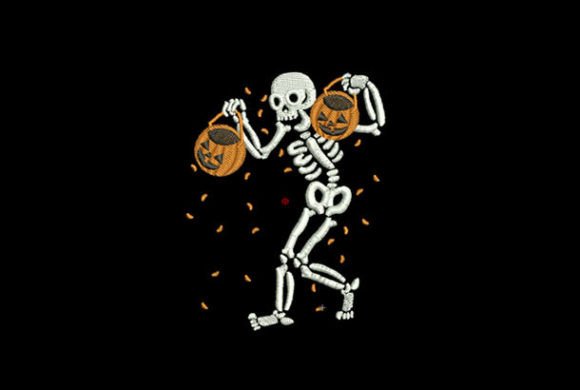
Opening the embroidery file for the first time, I immediately pictured it stitched on a soft neutral sweatshirt. The visual personality of Happy Hallowee Dancing Skeleton reads as playful and casual, with a stitching mood that suggests movement rather than stillness. The skeletal figure seems to twist or sway, which gives the design a sense of rhythm. That dynamic quality is valuable because static Halloween motifs can sometimes feel flat on fabric. A design with implied motion tends to look more premium, as if it belongs on a carefully curated boutique piece rather than a mass-produced seasonal shirt.
The detail level appears thoughtful without being overly dense. From a production standpoint, that is a relief. Overly intricate skeleton designs can create stitching problems on fleece or ribbed fabric, where tiny bone details might get lost or distort. This one strikes a middle ground, offering enough structure to read clearly as a skeleton while keeping the stitch count manageable for smooth embroidery on textured surfaces. I would describe the decorative strength as moderate to high, suitable for both center chest placement and smaller accent areas.
How the Design Fits Into a Boutique Apparel Collection
Planning a small sweatshirt or hoodie collection for an online shop involves more than picking cute designs. Each embroidery file needs to serve the overall brand identity. The Happy Hallowee Dancing Skeleton brings a seasonal statement that still feels versatile. I can see it working beautifully on oversized hoodies in muted tones like oatmeal, dusty lavender, sage green, or faded black. Pastel hoodies paired with a crisp white or soft grey thread would give the skeleton an almost decorative, modern folk art feel. On dark apparel, a contrasting bright thread or even a muted glow-in-the-dark option could shift the mood entirely toward playful evening wear.
For denim jackets, the design could sit on the upper back panel or nestled near the shoulder blade, adding character without overwhelming the jacket's structure. Tote bags are another strong contender. A dancing skeleton on a canvas tote, perhaps in a single bold thread color, transforms a practical item into a seasonal accessory that customers might use well beyond October. Cozy seasonal outfits, the kind photographed for lifestyle product images, benefit from embroidery that photographs well up close. The clean skeletal lines here should catch light nicely, adding texture to flat lays and modeled shots alike.
Placement Strategies That Maximize Visual Impact
Hoodie chest placement is often the first consideration for any machine embroidery design destined for boutique merchandise. The Happy Hallowee Dancing Skeleton fits comfortably in that left chest or center chest zone without demanding an unusually large hoop size. The proportions feel natural for standard adult garment fronts. For sleeve accents, the design might need slight scaling, but the skeletal figure's vertical or slightly diagonal orientation could work well along the outer arm, especially on drop-shoulder sweatshirts where the sleeve offers a generous flat area for stitching.
Back designs open up even more possibilities. A larger version of the dancing skeleton across the upper back of a hoodie or t-shirt makes a bolder statement. For those selling on Etsy or running a small shop, a back placement can justify a higher price point because it feels more like a centerpiece than a subtle detail. T-shirt embroidery calls for careful fabric consideration. Lightweight cotton jerseys handle dense stitching differently than fleece, so testing is essential. Tote bag design offers more stability since canvas holds stitches well, making it an excellent canvas for this skeleton motif.
Where to Use the Design Carefully
Small chest placement on stretchy fabric deserves extra attention. Ribbed fabric, in particular, can cause distortion if the design has densely stitched areas that resist the natural give of the material. Fleece sweatshirts generally handle embroidery well, but the nap of the fabric can swallow fine details. Testing on scrap fabric that matches the final garment is non-negotiable. Curved surfaces, such as the shoulder seam area or near a hood opening, may cause the skeleton to warp visually if not hooped with precision. Tiny lettering, if any accompanies the design, should be checked for legibility at the intended stitch size. Dark garments require high-contrast thread choices, and the skeleton's bone structure needs to remain distinct against the fabric color.
Thread Color Choices and Stitch Density Considerations
Thread color contrast can make or break a design like Happy Hallowee Dancing Skeleton. On neutral sweatshirts, a classic white or off-white thread creates a clean, almost hand-drawn look. On pastel hoodies, slightly warmer tones like cream or pale gold can soften the skeleton's appearance. For dark apparel, bright white, silver, or even a subtle metallic thread adds dimension. The stitch density should be reviewed before committing to production. Dense areas over multiple fabric layers can feel stiff against the skin, which matters for garments worn close to the body. A well-balanced embroidery file distributes stitches evenly, reducing bulk while maintaining crisp edges.
How This Embroidery Design Elevates Apparel Value
Adding a thoughtfully chosen machine embroidery design to a blank garment transforms its perceived value instantly. The Happy Hallowee Dancing Skeleton brings a recognizable seasonal theme without falling into generic territory. Buyers scrolling through Etsy listings or boutique shop pages respond to designs that feel intentional. A dancing skeleton carries a sense of humor and warmth, qualities that build buyer trust and encourage repeat purchases. When a shop consistently offers designs that strike this balance, the brand identity strengthens over time. Product recognition grows, and customers begin to associate the shop with certain moods and aesthetics.
Visual consistency across a collection matters greatly. Using the same skeleton design across sweatshirts, hoodies, t-shirts, and tote bags creates a cohesive seasonal drop. Lifestyle product photos benefit from that unity. A customer who spots the dancing skeleton on a tote bag might later return for the matching hoodie. That kind of product ecosystem supports higher engagement and can turn a single embroidery file into a small revenue stream across multiple finished products.
Practical Embroidery Designer Notes for Production
Before moving from digital embroidery file to finished product, several steps protect both quality and reputation. Always test on scrap fabric first, ideally on the same garment type planned for production. Stabilizer choice depends heavily on the fabric. Cutaway stabilizer tends to work well for sweatshirt embroidery on stretchy fleece, while tearaway might suffice for woven tote bags and non-stretch fabrics. Review thread color contrast under different lighting conditions, including the warm indoor light where lifestyle photos are often taken.
Confirm hoop size early in the process. The design's dimensions should fit comfortably within the hoop with enough margin for proper stabilization. Inspect stitch density before the first run. An embroidery file that stitches too densely can cause puckering, while one too sparse may leave gaps that weaken the visual impact. Compare placement options by holding a test stitch against the garment in different positions. What looks centered on a flat surface might sit too high or low when worn. Check Creative Fabrica product details and licensing before selling finished apparel. Understanding the terms for commercial embroidery use protects both the maker and the small shop business.
Seasonal Appeal and Year-Round Potential
Halloween embroidery designs often face a narrow selling window, but a dancing skeleton motif carries surprising longevity. Some customers embrace skeleton imagery year-round, especially in alternative fashion, quirky boutique styles, and cozy casual wear. A design that leans playful rather than overtly spooky can appear on hoodies in spring, or on tote bags in summer, without feeling out of place. That extended relevance increases the return on investment for a single embroidery file. For Etsy sellers and small clothing brands, a design that sells beyond a single holiday month is always worth considering.
Mockups, Listings, and Social Media Presentation
Printable mockups featuring the Happy Hallowee Dancing Skeleton stitched on various garments help potential buyers visualize the finished product. Lifestyle images showing the design on a relaxed oversized sweatshirt, paired with jeans and autumn leaves, tell a story that a flat product photo cannot. Social media graphics benefit from close-up shots of the stitching, highlighting the texture and precision of the embroidery. For Etsy listings, clear descriptions of thread colors, garment options, and sizing build confidence. A design this visually distinct photographs well, and strong imagery often translates directly into customer engagement and sales.
Final Thoughts From the Embroidery Table
After reviewing the Happy Hallowee Dancing Skeleton from a production perspective, I see a design that fits comfortably into a boutique apparel lineup. It brings personality without being difficult to stitch, and its playful mood suits a range of garment styles from cozy hoodies to structured denim jackets. The versatility across placements, fabric types, and thread color choices gives shop owners room to experiment and create something that feels uniquely theirs. For anyone building a seasonal collection or looking to add a character-driven piece to their shop, this dancing skeleton offers a strong starting point. The real test, as always, happens at the embroidery machine, with careful testing, good stabilizer, and a clear vision for the finished product.