Safari Embroidery Design: A Craft Fair Seller's Review
First Look at the Safari Design
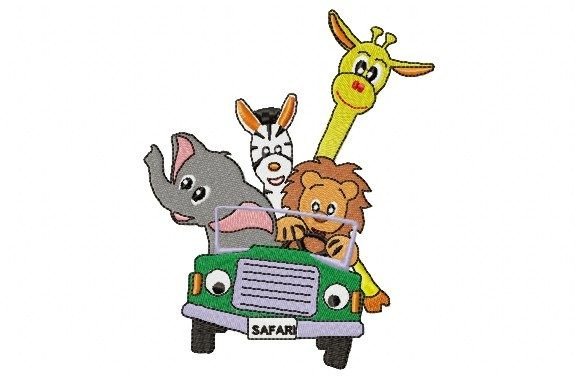
When I unzipped the Safari embroidery file and loaded it into my software, the first thing that struck me was how naturally this design fits the Baby Animals category. It has that soft, storybook quality that makes people stop and smile at a craft fair booth. The composition reads as gentle and approachable, not loud or overly cartoonish. That matters more than most sellers realize. When someone is browsing a table of handmade goods, the designs that sell are the ones that feel like they belong in a nursery, on a baby shower gift, or tucked into a child's bedtime routine. Safari lands squarely in that sweet spot.
Based on the description calling it a high-quality embroidery design suited for everything from clothes to home decor, I expected versatility—and the design delivers. The level of detail suggests it was built with care. It reads well at first glance, which is exactly what you need when a customer is scanning your booth from three feet away. If they have to squint or tilt their head to understand what they're looking at, you've already lost them. Safari doesn't have that problem. The silhouette and overall shape are clear, and the baby animal theme is instantly recognizable.
Where Safari Shines at a Craft Fair Booth
After testing a few stitch-outs on different fabrics, I started picturing exactly where Safari would live on my craft fair table. This is not a design you hide in the corner. It belongs front and center on products that attract gift shoppers, grandparents, and new parents. Here's where I see it performing best:
Tote Bags and Market Bags
A tote bag design with Safari stitched prominently on the front panel has serious selling power. Canvas totes in natural, cream, or soft sage green give the baby animal motif room to breathe. The design size needs to be generous here. A too-small embroidery on a large tote looks like an afterthought. When I stitch Safari at a scale that fills the usable embroidery area, the bag immediately feels like a finished, intentional product—not a blank with a tiny accent. These bags sell well at $18 to $28 at most weekend markets, and the perceived value jumps when the embroidery looks substantial.
Baby Apparel and Bodysuits
This is where Safari truly belongs. A soft cotton baby onesie with this design stitched on the chest or across the front makes an irresistible baby shower gift. I recommend sticking to light-colored fabrics—ivory, blush, pale blue, mint—so the animal details stay crisp. Dark fabric can swallow the delicate shading that gives baby animal designs their charm. If you are an Etsy seller or boutique maker, this product photographs beautifully for online listings. Lay the finished onesie flat on a textured blanket, add a small wooden toy beside it, and you have a printable mockup setup that converts browsers into buyers.
Kitchen Towels and Tea Towels
A tea towel embroidery with Safari works surprisingly well for nursery decor or as a whimsical touch in a family kitchen. Flour sack towels in white or oatmeal are my go-to base. The key here is stabilizer choice. Textured towels need a firm cutaway stabilizer to keep the stitches from sinking into the fabric. Without it, even the best machine embroidery design can look puckered and unprofessional. I also advise running a test stitch on your specific towel brand before committing to a batch. Loose weaves and thick terry cloth can distort small details, and baby animal designs often include fine facial features that need a smooth surface.
Embroidered Patches
An embroidered patch version of Safari opens up a different market segment entirely. Patches sell fast at craft fairs because they are low-priced impulse buys at $6 to $12. Shoppers who might hesitate at a $30 tote bag will happily grab a patch for their kid's backpack or jacket. The catch is sizing. If the Safari design includes very small details—tiny eyes, fine outlines, compact lettering—those elements may lose clarity when reduced to patch size. I always run a scaled-down test stitch before listing patches. A design that looks stunning at four inches can turn muddy at two inches. If the details hold up, though, patches become a quick and profitable addition to your handmade product lineup.
Aprons and Kitchen Linens
An apron embroidery featuring Safari is a niche product, but one that resonates with the right buyer. Picture a half-apron in soft linen with the design centered near the hem, or a full bib apron with a small accent on the chest pocket. This positions the product as a gift for a mom who loves baking with her kids nearby. It's not a volume seller like totes or onesies, but it adds variety to your booth and shows range. At a craft fair, a table that looks one-note rarely holds attention. Mixing in a few unexpected pieces with the same cohesive design helps build brand consistency and keeps shoppers browsing longer.
Production Notes From My Stitch Room
Before you run a dozen pieces for your next market, let me walk through what I learned from stitching Safari on multiple fabric types. These are the practical, unglamorous details that separate a polished finished product from a wasted blank.
Stitch density is the first thing I check on any new embroidery file. A design described as detailed and high-quality often means there are areas with concentrated stitching. On stable woven fabrics like cotton canvas or quilting cotton, this is manageable with the right needle and stabilizer. On stretchy fabrics like jersey or fleece, dense stitch areas can cause puckering, tunneling, or even needle breakage if you are not careful. I use a sharp needle, size 75/11 or 80/12, and slow my machine speed slightly when stitching dense sections. It adds a few minutes per piece, but the quality difference is visible.
Thread color selection deserves real attention here. The Safari design, as a Baby Animals piece, likely uses soft, muted tones that evoke warmth. Do not assume the default thread chart in your software will translate perfectly to your physical thread spools. I always stitch a small color swatch test on the actual fabric I plan to use. Lighting in a craft fair booth—especially if you are outdoors or under fluorescent tent lights—can change how thread colors read. What looks like a warm beige in your sewing room might read as dull gray under a market canopy. Test, adjust, and trust your eyes under conditions similar to where you will be selling.
Hoop size is another consideration. I cannot confirm the exact hoop requirements from the product description provided, so I strongly recommend checking the design assets and specifications with the vendor before purchasing. A design that needs a 5x7 hoop limits which machines can run it. A design that fits a 4x4 hoop is more accessible for small shop owners using compact machines. Know your equipment capabilities and verify compatibility. There is nothing worse than buying a beautiful design and realizing it will not fit any hoop you own.
Photographing Safari for Online Listings
If you sell through Etsy, Shopify, or social media in addition to in-person markets, your product photos make or break the sale. Safari photographs best on light, neutral backgrounds that keep the focus on the baby animal motif. Avoid busy patterned fabrics that compete with the embroidery. A simple cream onesie photographed flat with soft natural window light lets the stitch details shine. For printable mockup purposes, I capture at least three angles: a flat lay showing the full design, a close-up revealing stitch quality and texture, and a lifestyle shot showing the product in use—like a tote hanging on a hook or a onesie draped over a wooden chair. These images build buyer trust because they show the handmade quality without filters or tricks.
When I list Safari products online, I always include a note in the description about how the design stitches out on different fabrics. Buyers appreciate honesty. If a design has dense areas that might feel stiff on lightweight knits, I mention it. If it looks best on structured wovens, I say so. This transparency reduces returns and builds repeat customers who trust your product judgment.
Booth Display and Customer Engagement
At a craft fair, customer attention is your most limited resource. You have seconds to catch someone's eye as they walk past. Safari works as a booth anchor design because it has emotional appeal. Baby animals tap into nostalgia, tenderness, and the universal love of little creatures. I position my strongest designs at eye level, on products that are easy to touch and pick up. Small pouches and folded onesies sit in baskets at the front of the table. Larger pieces like tote bags hang on a display rack behind me, visible from the aisle. When someone picks up a Safari onesie and coos over it, nearby shoppers notice. That ripple effect is real, and it moves inventory.
I also keep at least one piece with Safari stitched on it as a booth sample that is not for sale—a pillow cover or framed embroidery hoop displayed purely as an example. This lets customers see the design without the pressure of a price tag, and it often prompts the question, "Can you make me one of those on a tote?" Custom orders build relationships and fill your production queue after the fair ends.
Careful-Use Notes Worth Remembering
Every design has quirks, and Safari is no exception. Based on my experience with detailed baby animal motifs, here are the points where I pause and double-check before running a batch:
- Tiny details and facial features: If the animals have small eyes, whiskers, or delicate outlines, those areas can blur on textured or dark fabric. Test on a smooth, light-colored surface first.
- Curved surfaces: Stitching on caps is tricky with any densely detailed design. The curve of a cap bill or crown can distort registration. If you plan to offer embroidered caps with Safari, use a cap frame and test placement carefully.
- Thick fabrics and textured towels: Plush surfaces like terry cloth or fleece can bury fine stitches. A water-soluble topper helps keep the design sitting on top of the pile rather than sinking in.
- Small lettering: If the design includes any text elements, confirm they remain legible at your planned stitch size. Lettering that looks crisp at 5 inches can become unreadable at 3 inches.
- Dark fabric concerns: Dark backgrounds reduce contrast and can make soft-colored animal designs look muted or muddy. I almost always recommend light or medium fabric bases for baby-themed designs.
Batch Production and Repeatability
For commercial embroidery sellers and small shop owners who need to produce multiples efficiently, Safari is a strong candidate. The design, once tested and dialed in, should run consistently across identical blanks. I recommend building a production workflow: hoop all your blanks in advance, keep pre-wound bobbins ready, and stitch in batches. If the design has multiple thread changes, organize your spools in sequence to minimize downtime. At a craft fair, having five or six finished pieces with Safari means you can restock your table quickly as items sell. A design that stitches reliably and looks consistent from piece to piece is worth its weight in gold when you are under pressure to produce.
Commercial Licensing and Selling Rights
Before you sell any finished product featuring Safari, confirm your commercial embroidery rights. The product description provided states this is a high-quality design for sewing projects on clothes, home decor, and more, but it does not explicitly outline licensing terms. I always advise reaching out to the designer or checking the listing details to verify that you are permitted to sell physical items made with this digital embroidery file. This is a standard precaution. Most designers do allow commercial use on finished goods, but some limit the number of sales or require attribution. Do not assume. Check, save the confirmation, and stitch with confidence.
Final Verdict From My Design Table
From the perspective of someone who has spent countless weekends behind a craft fair table, Safari is a solid, reliable design choice for the Baby Animals niche. It has the soft appeal that gift shoppers seek, it translates well to a variety of blank products, and it holds its own as both a focal design and a thoughtful accent. Invest the time in testing fabric and thread combinations, photograph your work with care, and display it prominently. This is the kind of design that earns its spot in your craft fair product rotation and brings customers back to your booth season after season.