Fingerprints Heart: A Unique and Practical Embroidery Evaluation
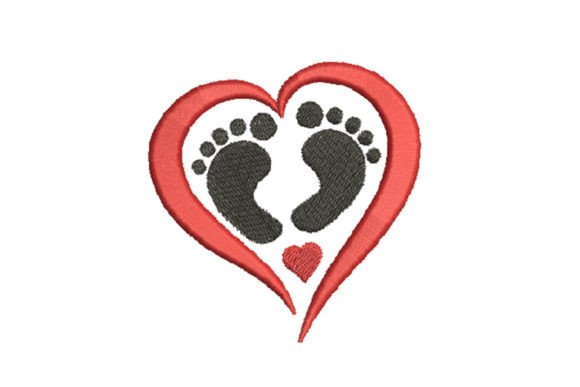
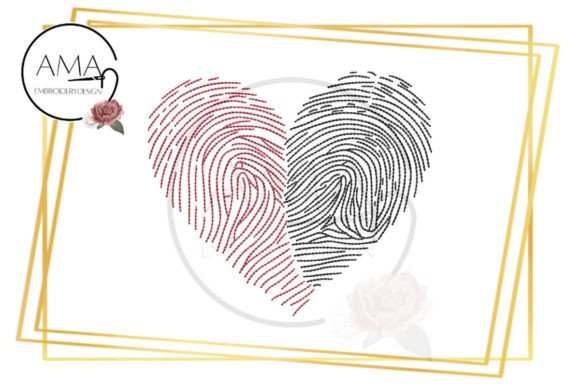
As someone who regularly sources designs for client projects and my own handmade inventory, I approach every new embroidery file with a practical eye. When I first saw the Fingerprints Heart design on Creative Fabrica, its concept immediately stood out. It’s not just another heart motif; it’s built from two fingerprint lines, weaving a story of individuality and union. This review is based on considering it for actual commercial and personal projects, from customer orders to craft fair stock.
Initial Impression: Visual Mood and Project Fit
The visual mood of this design is subtle and personal. It leans decorative rather than bold, with a delicate, line-based construction. The fingerprint detail gives it a bespoke, almost custom-made feel, even before you personalize the project itself. This isn’t a design for a loud, statement piece on a jacket back. Instead, it naturally fits projects where intimacy and thoughtfulness are key.
I immediately thought of handmade gifts like personalized anniversary pillow covers, baby blankets with a parent’s “touch,” or elegant kitchen towels for a wedding gift. For Etsy sellers and boutique merchandise, it could elevate simple items like tote bags or aprons into meaningful, story-driven products. Its placement within the Wedding Designs category on Creative Fabrica is logical, but its application is broader—think engagement gifts, anniversary celebrations, or even sentimental nursery decor.
Performance in Real Embroidery Work
When evaluating a design for real use, I think about how it will stitch out on various surfaces and materials.
Fabric and Product Compatibility
The line-work nature of Fingerprints Heart suggests it may work well on both stable and slightly textured fabrics. For custom apparel like sweatshirts or polo shirts, the design’s likely moderate stitch density should prevent excessive puckering if paired with the correct stabilizer. On curved surfaces like caps, the continuous, flowing lines could adapt nicely, though I would always advise a test on scrap fabric first, especially for stretchy materials.
For items like baby items or kitchen towels that require frequent washing, the integrity of the design is important. A clean, satin stitch or running stitch outline (depending on the file’s actual stitch types) should hold up well. On dark fabric, the choice of thread color becomes critical to maintain the design’s delicate appeal—a light thread with good contrast would be essential.
Scale and Detail Considerations
A crucial practical note: the success of this design hinges on its fine details. The fingerprint ridges need to be clear and not lost in dense stitch areas. Before using it for a real order, I would review the stitch density in my software and confirm the hoop size required. If the design includes very small lettering or tight curves (which the fingerprint concept might imply), stitching it too small could blur those details. It would be perfect for a medium-sized placement, perhaps on a tote bag pocket or the center of a pillow.
Affecting Product Value and Customer Appeal
From a business perspective, using a design like this can significantly affect your product’s perceived value.
It adds a layer of buyer trust and handmade presentation because it feels unique and thoughtful. For creative entrepreneurs, this helps build brand consistency if you specialize in meaningful, personal gifts. The design’s inherent giftability makes it an easy sell. In product photography and printable mockups, the clean, symbolic artwork creates an engaging focal point that tells a story, enhancing customer engagement.
For embroidered patches, this could be a standout item, though you’d need to ensure the line details are robust enough for patch application and trimming. As a digital embroidery file, it serves as a versatile design asset in your library, usable across seasons for various sentimental occasions.
Practical Embroidery Notes Before You Start
Here are the steps I take before committing a design like Fingerprints Heart to a final product.
- Check the Creative Fabrica product page thoroughly. Confirm the included embroidery file formats for your machine, and absolutely review the licensing terms before selling any finished items. This is non-negotiable for commercial use.
- Run a test stitch on scrap fabric identical to your project fabric. This reveals how the design behaves with your chosen stabilizer and thread.
- Compare light and dark fabric mockups digitally if possible. Plan your thread palette accordingly—sometimes a design needs a slight color shift to pop on darker materials.
- Inspect small details after stitching. Look closely at the fingerprint lines for any skipped stitches or areas where fill stitches might be too dense for fine fabrics.
- Consider the end product’s use. For a cap or a bag that gets heavy wear, you might opt for a tougher thread. For a baby blanket, softness and washability are priorities.
Final Thoughts on Real-World Use
The Fingerprints Heart embroidery design presents a compelling blend of symbolic meaning and decorative potential. Its strength lies in its narrative quality, which translates well into handmade products and commercial embroidery projects aiming for emotional resonance. Its practical success will depend on careful execution—paying attention to scale, fabric choice, and stabilization to preserve its delicate line art.
For embroidery designers, Etsy sellers, and apparel decorators looking for a design that elevates a simple item into a personalized gift, this file is worth serious consideration. It’s not a one-size-fits-all, heavy-duty logo; it’s a specialized tool for creating products with heart and a story. As always, your due diligence—testing, checking file details, and understanding the license—will ensure it becomes a reliable and valuable part of your Creative Fabrica embroidery toolkit.