Paisley Motif Embroidery Design: A Designer's Practical Review
First Impression: The Paisley Motif's Visual Mood and Detail
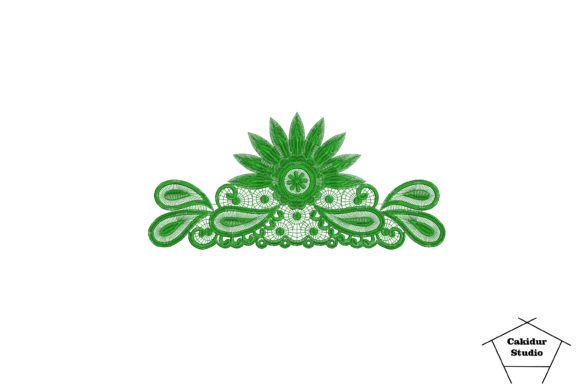
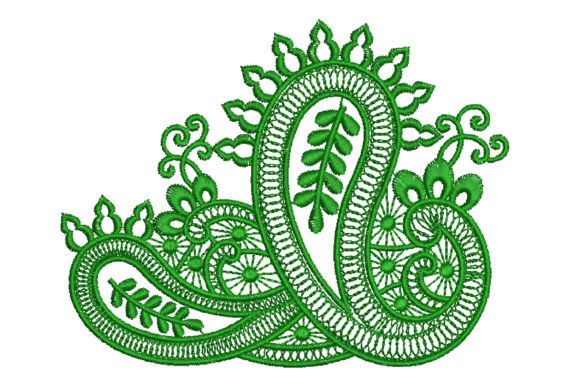
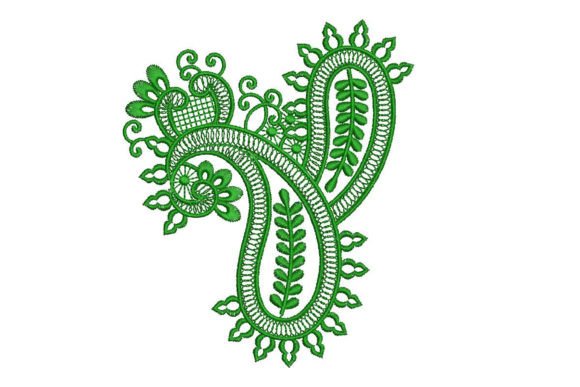
When I first opened the Paisley Motif embroidery file, its immediate impression was one of classic elegance with a modern clarity. The design possesses a balanced decorative appeal, neither overly busy nor too simplistic. This particular paisley motif carries a stitching personality that leans toward versatility; its lines are clean, and the internal detailing suggests it can handle both prominent focal-point applications and more subtle decorative roles. Visually, it feels suitable for projects ranging from boutique apparel to thoughtful handmade gifts. It naturally fits projects where you want to add a touch of organic, artistic flair without overwhelming the base item.
Real Project Performance: Where This Design Excels
In considering this embroidery design for actual customer orders, I evaluated its performance across several common applications. For custom apparel like the back of a shirt or a sweatshirt, the motif's size and composition would likely create a strong, central statement. On tote bags and aprons, it offers that renewal factor mentioned in the description, transforming a simple functional item into something special.
For smaller, softer applications, such as baby blankets, pillow covers, and kitchen towels, the motif's elegance can elevate nursery decor or kitchen linens into gift-ready products. Its structure also appears suitable for creating embroidered patches, which could then be applied to caps or bags, offering flexibility for Etsy sellers and craft fair vendors. For baby items and handmade gifts in general, this design injects a sense of cared-for craftsmanship.
Considering Commercial Use and Product Value
Using a high-quality embroidery file like this Paisley Motif directly impacts product value and buyer trust. A well-stitched, clean design enhances the handmade presentation, making the finished item look professional and intentional. This boosts visual appeal in product photography, helps with brand consistency if you use similar design styles across your line, and significantly increases the giftability of your products. For small business owners and creative entrepreneurs, such reliable design assets are key to creating a cohesive and attractive collection.
Practical Embroidery Considerations and Challenges
Any embroidery designer knows that a beautiful file must also perform under the needle. With designs like this Paisley Motif, several practical factors need attention before running it on a final product.
Stitch density is a primary concern. Paisley designs often have areas of solid fill stitch, which can be dense. On textured fabric or stretchy fabric, this requires a robust stabilizer strategy to prevent puckering or distortion. For items like caps with curved surfaces, the motif's overall shape and any potential layered details must be tested to ensure they conform well to the curve without losing detail.
When working with dark fabric, the thread color contrast must be planned carefully; a design with many fine lines might require a very bright or metallic thread to stand out effectively. For products destined for frequent washing, such as kitchen towels or aprons, the integrity of the stitches—particularly any satin stitch borders or delicate running stitch details—must be assured through proper thread choice and stabilizer use.
Perhaps most importantly, the scale of the design relative to your hoop size is critical. You must verify that the motif fits within your available hoop dimensions, especially if you intend to use it on smaller items like the front of a cap or a tiny baby bib. Small details within the motif should be inspected after a test stitch to ensure they are not too minute to stitch cleanly on your chosen fabric.
A Step-by-Step Approach Before Selling Any Finished Item
My strong recommendation for any embroidery designer, apparel decorator, or digital product seller considering this Paisley Motif for commercial use is to follow a disciplined testing process.
- Test on Scrap Fabric: Always run the embroidery file on a piece of the exact fabric you plan to use for the final product. This reveals how the design interacts with that specific material.
- Check Thread Color Contrast: Stitch a version on both light and dark scraps to see how your chosen palette performs. Creating light and dark fabric mockups can save you from a disappointing final product.
- Review Stitch Density: Examine the stitched test piece. Are there areas so dense that they cause fabric stiffness or distortion? Adjust stabilizer or consider modifying the stitch parameters if your machine allows.
- Confirm Hoop Size Compatibility: Ensure the design's dimensions align with your project's physical constraints. The product description may provide this, but always confirm in your software.
- Inspect Small Details: After stitching, look closely at the finest elements. Are they clear and intact? This is vital for maintaining quality.
- Use Proper Stabilizer: Match your stabilizer type and weight to both the fabric and the apparent density of the design. This is non-negotiable for professional results.
- Confirm File Details and Licensing: Before selling any finished product, you must visit the Creative Fabrica product page for this Paisley Motif to confirm the specific file formats included, any stated machine compatibility, and the license terms for commercial use. Do not assume; always check the official details provided.
Final Thoughts: Is This Paisley Motif Worth Using?
From the perspective of a professional embroidery designer looking for reliable assets for real projects, this Paisley Motif appears to be a solid candidate. Its aesthetic is broadly appealing, fitting a range of products from personalized gifts to commercial embroidery items. The potential to enhance product photography and customer engagement through a well-executed, beautiful design is significant.
The key, as always, lies in the preparation. Its value is not automatic; it is unlocked by the embroiderer's careful testing and application of best practices. For crafters and handmade shop owners seeking an elegant, versatile motif to renew cushions, decorate apparel, or elevate their product lines, this Creative Fabrica embroidery design could be a worthwhile addition to your library—provided you do your due diligence on the technical details and licensing first. It has the foundational qualities to become a trusted, frequently-used file in a busy creative workshop.