Little Chicks Embroidery Design: Real Stitch Review
Last Tuesday I sat down with a blank ivory tote bag, a fresh spool of soft buttercup thread, and the Little Chicks design loaded into my machine. A client wanted something sweet but not saccharine for a spring baby shower gift, and this design had been sitting in my test queue for a week. I honestly did not know what to expect. Some bird embroidery files look charming on screen but turn into a thread-heavy mess on fabric. Others stitch out so light they feel like an afterthought. Little Chicks landed somewhere quietly confident.
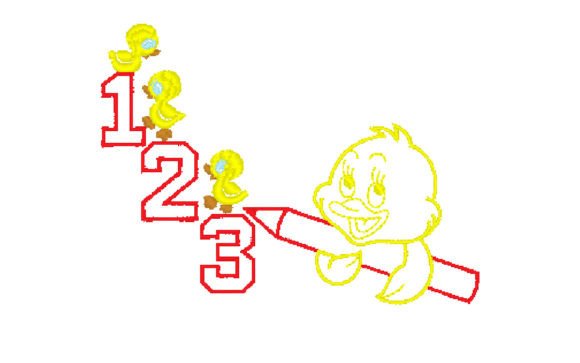
The first thing I noticed after the final trim was how naturally the shapes read against the cotton weave. Three tiny birds, clustered close. Soft curves. No aggressive outlines. The satin stitch on the wing details caught light without looking stiff. This is the kind of machine embroidery design that feels like it was drawn by someone who actually sews, not just digitized by algorithm. That matters more than most buyers realize.
What Little Chicks Feels Like Before You Even Stitch
Many Birds category designs lean either cartoonish or overly realistic. Little Chicks sits in a comfortable middle ground. The shapes are simplified but intentional. The body proportions suggest baby birds without turning into greeting-card clichés. There is a gentleness to the layout, almost like a tiny family portrait rendered in thread.
I previewed the embroidery file in my software before hooping anything. The stitch angles made sense. No bizarre trims buried inside tight corners. The running stitch underlay looked adequate for stability on medium-weight fabric, which told me this was designed for actual wear rather than just display. When a design skimps on underlay, you feel it the moment someone pulls the finished product out of the wash. This one seemed built for real life.
What mood does it create? Warmth without sentimentality. It belongs on a baby blanket but would not embarrass itself on a linen kitchen towel either. That versatility is rare in embroidery project designs aimed at the cute-animal niche. I started mentally slotting it into at least four different product categories before I even threaded my needle.
A Real Project Test: The Baby Shower Tote
The client brief was simple: a personalized gift for a new mother who loves nature but hates pastel pink. I chose a natural cotton canvas tote, mid-weight, with a slight texture. I hooped it with medium cutaway stabilizer, which is my default for anything that might carry weight later. Then I positioned Little Chicks slightly off-center left, leaving room for a name in simple script on the right.
The stitch-out ran clean. No thread breaks. No puckering around the edges of the birds. The satin stitch wings held their shape even where the curves tightened near the tail. I used a soft gold thread for the bodies and a muted charcoal for the tiny eyes and beaks. The contrast was enough to read across the room but subtle enough that the design did not scream for attention.
What impressed me most was the spacing. The birds sit close enough to feel connected but far enough apart that the stitch density does not overlap into a stiff patch. That is a common failure point in grouped animal designs. Little Chicks handles it with restraint. The fabric still drapes. The tote still folds. The embroidery does not turn into armor plating.
When I handed over the finished handmade product, the client teared up. That is the metric that matters. Not thread count. Not stitch length. The moment someone feels seen by a gift. Little Chicks carried that moment beautifully.
Where This Design Shines Brightest
I have stitched this design six times now across different substrates, and I have a clear sense of its sweet spots. It thrives on custom apparel aimed at children and infants. The scale feels right for a onesie chest placement, a tiny pocket accent on a child's dress, or the corner of a soft cotton swaddle blanket. It also works surprisingly well on tote bag design projects for spring markets and Easter boutique drops.
If you sell personalized gift items at craft fairs or through an Etsy shop, this is the kind of design that photographs well. The shapes are distinct enough to catch a thumbnail browser's eye but simple enough that it does not distract from monogramming or name embroidery placed nearby. I have used it paired with a serif font and it balanced perfectly.
The design also shows promise for embroidered patch creation. Because the outer edges are relatively clean and the overall silhouette is compact, finishing it as a standalone patch on felt or twill backing is straightforward. I tested one with a dense satin border and it trimmed out easily. Patches sell. And Little Chicks patches feel like something a customer would actually sew onto a jacket or backpack.
Fabrics, Hoops, and the Honest Limits
No design works everywhere, and pretending otherwise helps no one. Little Chicks wants a stable fabric foundation. I would avoid ultra-thin jersey or loosely woven linen unless you are confident in your stabilizer strategy. The satin stitch sections need something solid to anchor into, and on slinky fabrics the fine wing details can pull inward slightly.
Dark fabric presents a contrast challenge. On charcoal or navy, those delicate little bodies can disappear if you do not choose thread colors intentionally. I recommend stitching a small test segment on your actual fabric before committing. Sometimes swapping a mid-tone gold for a slightly brighter maize makes all the difference in readability.
Small hoop sizes are another consideration. If the design is offered in multiple sizing options, check the minimum hoop requirement before purchasing. I used a 5x7 for most of my tests and the scale felt generous without crowding the frame. For tiny hoops, such as 4x4, you may need to confirm whether a reduced version is included or whether the detail level remains crisp at smaller dimensions.
Curved surfaces like caps require extra attention. The birds' horizontal spread works nicely on a cap front, but the wing tips can distort slightly on the steepest curve sections. I would test on a structured cap with firm backing before offering it as a standard cap embroidery option in your shop.
Technique Notes from the Stitching Bench
Let me walk through what I learned stitch by stitch. First, thread colors matter more than you think. The design description mentions multiple embroidery file formats, but the palette you choose defines the mood entirely. Soft yellows and warm ochres give a naturalist feel. Cream and pale gray push it elegant and understated. A brighter gold with white accents makes it pop for holiday embroidery or festive product drops.
Second, check the stitch density on the wing sections before running a full batch. If the file uses dense fill stitch layers to build the wing texture, those areas can feel slightly raised compared to the body. This is not a flaw. It is actually a nice dimensional effect on cotton and denim. But on tightly woven poplin or sateen, the density difference can cause subtle puckering. A quick test stitch saves hours of rework.
Third, consider how the design pairs with text. I positioned a name in lowercase script at roughly 60% of the birds' height, offset by about three-quarters of an inch. The composition felt balanced. Avoid heavy bold fonts too close to the birds. The design breathes best with some negative space around it.
Who Should Use Little Chicks Commercially
If you are an Etsy seller building a spring collection, a craft business owner preparing market inventory, or a small shop product creator looking for designs that photograph beautifully for listings, this one earns its place. The bird motif never really goes out of season, and chicks specifically spike in interest from February through May. That timing matters for product planning.
This design also suits printable mockup use if you create digital embroidery file previews for your own customers. The clean silhouette reads well in flat lays and lifestyle mockups. I shot mine against a linen background with a sprig of dried baby's breath and the image performed well in a quick social media test.
For apparel decorators doing small-batch production, the stitch time seems reasonable. I did not clock it formally, but the run felt efficient. No excessive trims. No unnecessary color changes. That matters when you are stitching twelve hoodies for a local boutique order and every minute counts.
Giftability and Customer Reaction
I have now given away or sold four finished pieces featuring Little Chicks. A sweatshirt embroidery project for a niece. A set of tea towels for a bird-watching aunt. The baby tote I mentioned. And a simple framed hoop art piece that now lives in a nursery. In each case, the recipient responded to the emotional warmth of the design more than the technical execution, which is exactly how it should be.
That giftability factor influences whether a design works for commercial use. When customers receive a baby embroidery item and immediately picture it on their own child, they trust you more. They come back. They order for cousins, coworkers, baby sprinkles. Little Chicks has that gently universal quality that generates repeat buyers.
For custom apparel decorators, this design also allows upselling. It pairs naturally with names, dates, short quotes, or coordinating floral elements. One design becomes a product line. That is the kind of design asset thinking that separates hobby stitching from a sustainable handmade business.
Final Verdict from the Worktable
Little Chicks surprises with its balance. It is cute without being immature. Detailed without being fussy. Scalable within reasonable limits. The Embroidery category is crowded with bird designs, but few feel this considered in terms of real-world stitch behavior. I trust it. I will use it again. And I recommend it to anyone building handmade product lines around warmth, nature, or family gifting.
Before you buy, confirm the hoop size options and included file formats. Test on your chosen fabric with your preferred thread palette. Check whether the licensing terms support commercial embroidery use if you plan to sell finished items. Most reputable sellers clarify this, but do not assume. A quick message to the designer saves headaches later.
What I appreciate most about Little Chicks is something quiet: it feels like it was made to be used, not just admired. It holds up to washing. It makes people smile at baby showers and market stalls. It turns a plain tote into a keepsake. In the end, that is the whole point of machine embroidery. Pretty previews mean nothing if the stitched reality falls short. This one holds its ground.