A Craft Fair Designer's Review of Roaster Bird
From my worktable to the weekend craft fair booth, every embroidery design must pass a practical test. It's not just about the artistry; it's about whether a design can translate into a product that attracts attention, feels good in the hand, and sells from a crowded table. Today, I'm looking at the Roaster Bird embroidery design with that exact lens. As a professional designer preparing for a market, my review is grounded in what works in person and what is efficient to produce.
The First Impression: Decorative & Premium Rustic
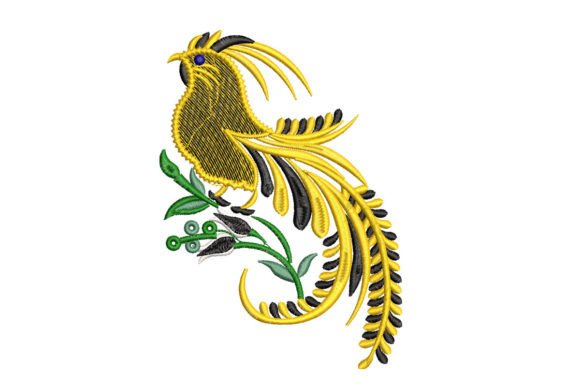
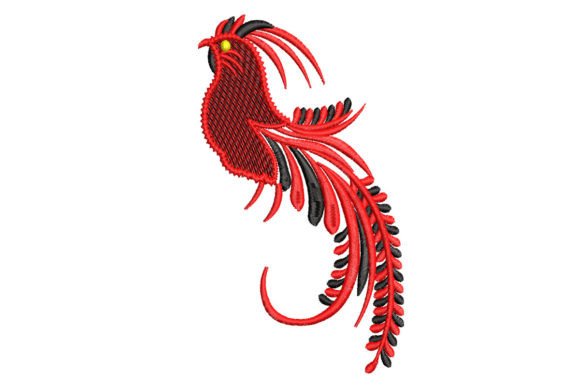
Based on the title and description alone, Roaster Bird evokes a specific mood. "Roaster" suggests a kitchen or farmhouse connection, while "Bird" brings a natural, decorative element. This combination leans toward a premium rustic aesthetic—not overly cute or minimalist, but rather a tasteful, decorative motif. The promise of a "beautiful satin stitch" indicates areas of smooth, shiny thread, which will lend a touch of elegance and quality to the finished product. This is a strong starting point for handmade market products, as it feels classic yet fresh, fitting into popular home decor and gift categories.
Where Roaster Bird Stands Out on the Sales Table
Imagine your booth: tote bags, aprons, tea towels, caps, and pillow covers arrayed to catch the eye. Roaster Bird has the potential to be a versatile star. Its decorative nature means it can shift context based on the product it’s applied to.
On a tea towel or apron, it becomes a functional kitchen accent, appealing to customers looking for farmhouse or cottage-core style. On a tote bag or market bag, it elevates a simple accessory into a unique, statement piece. As an embroidered patch, it offers flexibility; customers might buy it to apply to their own items, making it a great lower-cost option. Stitched onto a pillow cover, it becomes a central home decor element, and on a fabric pouch or cap, it serves as a charming, smaller-scale detail.
The key to its booth success will be placement. I would create at least one large, focal-point item, like a pillow, to showcase the design's full beauty. Then, I'd use smaller, quicker-to-produce items like towels or patches to offer accessible price points. This creates a tiered product range around the same design, maximizing your production efficiency and sales opportunities.
Practical Production & Selling Points
Turning a digital embroidery file into a profitable craft fair product requires careful planning. Here’s my real-world evaluation for Roaster Bird.
Design Clarity & Batch Production
The design is likely easy to understand at a glance—a bird motif is universally recognizable. This is crucial for a busy fair where customers make quick decisions. It should work well as both a large focal design (on a tote bag) and a smaller accent (on a cap or pouch), provided the detail level is appropriate. For batch production, if the stitch count is reasonable and the design doesn’t have overly dense areas that consume time and thread, it could be a repeatable, efficient choice for creating multiple units of the same product.
Photography & Online Sales
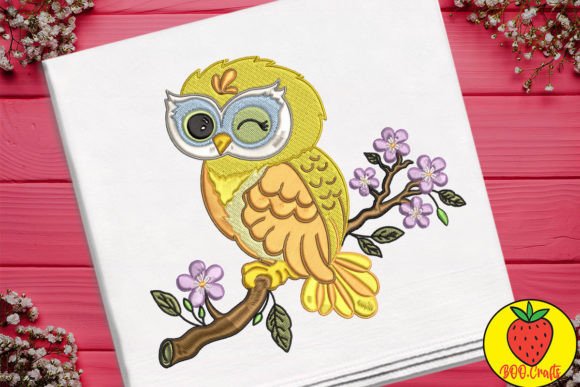
For Etsy sellers and online listings, the satin stitch areas will photograph beautifully, catching light and emphasizing the handmade quality. It’s important to create clean, well-lit photos against complementary fabric colors. A printable mockup can help visualize the final product, but I always insist on creating at least one real, physical mockup. This tests how the design interacts with actual fabric texture and informs your photography.
Critical Use Notes for a Professional Finish
As an embroidery designer, I never skip these steps before committing a design to production:
- Test on Scrap Fabric: Always stitch Roaster Bird on a scrap of the exact fabric you plan to use (e.g., canvas for totes, linen for towels). This reveals how the fabric texture interacts with the stitch.
- Check Thread Contrast: Stitch it on both light and dark fabric samples. Satin stitches can look dramatically different. Ensure the chosen thread colors have enough contrast against your product's base fabric.
- Review Stitch Density & Stabilizer: The description mentions a satin stitch, which can be dense. High stitch density on items like caps with curved surfaces or textured towels requires the correct, sturdy stabilizer to prevent puckering and ensure clean lines.
- Confirm Hoop Size & Design Scaling: Before batch production, confirm the required hoop size for your target products. Also, test if the design retains clarity and beauty when scaled down for smaller items like caps. Tiny details or small lettering, if present, can become lost or messy at reduced sizes.
- Commercial Licensing: As a digital seller yourself, you understand the importance of licenses. Before selling finished products at a fair or online, confirm that your purchase of the Roaster Bird machine embroidery design includes the right for commercial use of the embroidered items you create.
Boosting Booth Appeal & Customer Engagement
Finally, how does Roaster Bird affect the overall success of your handmade product line at the fair?
Visual Appeal & Attention: Its decorative, premium rustic feel can draw customers who appreciate handmade detail. A well-executed satin stitch looks luxurious and skilled, increasing perceived value.
Product Value & Brand Consistency: Using the same strong design across a coordinated product range (e.g., kitchen towels and aprons) strengthens your booth’s visual brand and makes your small shop look curated and professional.
Buyer Engagement: A design like this can spark conversation. Customers might ask, “Is that a chicken?” or comment on the beautiful stitching. That interaction is a sales opportunity. Having a sample in the hoop or a patch in progress can further demonstrate the craft, deepening engagement.
In summary, Roaster Bird presents a promising opportunity for craft fair sellers and boutique makers. Its aesthetic fits popular niches, and its described technical execution suggests high-quality results. The real work lies in the designer’s due diligence: testing, adjusting, and confirming the practical details to ensure this digital embroidery file becomes a standout, profitable handmade product on your sales table.