Tutan Khamun Embroidery: A Designer's Craft Fair Review
As an embroidery designer preparing for a weekend market booth, every design in my library gets a critical review. I judge it not just as a digital file, but as a potential physical product that needs to sell. Today, I'm looking at the Tutan Khamun embroidery design, evaluating its potential for craft fair products like tote bags, aprons, and patches.
First Impression: Elegant and Decorative
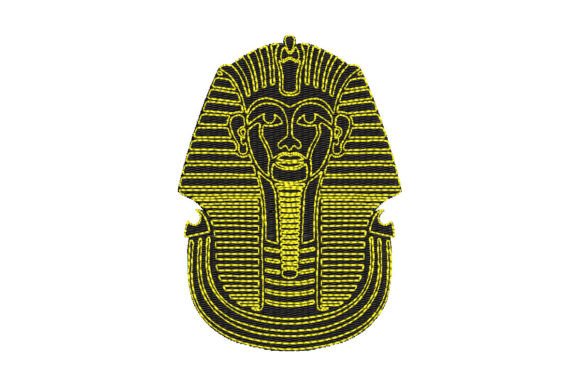
The title Tutan Khamun immediately evokes a sense of timeless elegance and decorative artistry. This isn't a cute or funny design; it leans towards a premium, almost classical aesthetic. Based on the description highlighting a beautiful Tatami stitch, I anticipate a design with solid, textured fill areas that will look rich and substantial on fabric. This mood makes it stand apart from typical rustic or farmhouse motifs, offering a chance to attract customers looking for something uniquely sophisticated at a handmade market.
Where Tutan Khamun Will Stand Out on the Booth Table
Visual appeal at a craft fair is about immediate impact. Customers scan tables quickly. Tutan Khamun, with its elegant theme, needs the right product canvas to shine.
Tote Bags and Market Bags: This is a prime candidate. A larger tote provides the space for Tutan Khamun to be a bold focal point. The Tatami stitch texture will add a handmade quality that feels luxurious, elevating a simple bag into a special accessory.
Pillow Covers and Tea Towels: For home decor, this design could work beautifully. On a pillow cover, it becomes a decorative accent. On a high-quality kitchen towel, it transforms a utilitarian item into a giftable, premium kitchen accessory. The contrast on a crisp white or neutral linen towel would be striking.
Aprons: An embroidered apron is a bestseller at many fairs. Tutan Khamun placed centrally on an apron bib could create a truly standout product for cooks and home enthusiasts who appreciate a touch of artistry.
Embroidered Patches and Pouches: Here, careful consideration is needed. If the design has dense stitch areas or intricate details, reducing its size for a small patch or fabric pouch might cause clarity issues. It’s crucial to test the design at a smaller hoop size first. If it works, a Tutan Khamun patch could be a unique, higher-end alternative to typical motifs.
Caps: Embroidering on curved cap surfaces requires adaptable designs. The potential stitch density mentioned is a key factor. A very dense design might be challenging on structured cap fabric. A test run on scrap fabric of similar weight and curvature is mandatory.
Practical Production and Selling Points
Turning a digital embroidery file into a batch of craft fair products requires practical thinking.
Batch Production and Repeatability
For a successful small shop product, a design must be reliable and efficient to stitch repeatedly. The mention of multiple embroidery file formats is excellent for commercial embroidery, allowing use across different machines. Before batch-producing, say, twenty tote bags, I must create at least one real mockup on the final fabric. I need to check thread contrast, especially if using dark fabrics, and review the stitch spacing and density to ensure it doesn’t pucker or overwhelm the base material. Using the correct stabilizer for the fabric texture—like the often-textured surface of tea towels—is critical for a clean finish.
Photographing for Online and Etsy Listings
The textured Tatami stitch should photograph wonderfully, capturing the handmade quality that online buyers love. For my Etsy listings and printable mockups, the design’s elegance will help convey a higher product value. It’s a design that benefits from close-up detail shots to show the stitchwork, alongside lifestyle images showing it on finished products like a draped pillow or a filled market bag.
Customer Engagement at the Booth
A design like Tutan Khamun can spark conversation. It’s distinctive. I can imagine customers asking about the inspiration or noticing the tactile quality of the stitches. This engagement increases the chance of a sale. In a booth display, grouping all Tutan Khamun products together creates a strong, cohesive brand moment that draws the eye.
Careful-Use Notes for the Embroidery Designer
Professional experience reminds us that even beautiful designs have practical constraints.
- Test on Scrap First: Never stitch a new design like Tutan Khamun directly onto a final product. Use scrap fabric of the same type and color to inspect stitch density, thread coverage, and any potential for tiny details or lettering to be lost.
- Hoop Size Compatibility: The design description does not specify a default hoop size. I must check the included embroidery files to confirm the minimum required hoop. This determines which products are feasible—a large design won't fit on a small pouch.
- Fabric and Color Choice: This elegant design likely thrives on neutral, solid-color fabrics where its details are clear. Busy or highly textured backgrounds might compete with it. Contrast is key.
- Commercial Licensing: Before selling any finished product at a craft fair or online, I must confirm the commercial licensing terms of the digital embroidery file. The description mentions it is a machine embroidery design, but the license specifics are not provided. This is an absolute must-check before production begins.
Final Judgment for the Craft Fair Entrepreneur
Tutan Khamun presents a compelling opportunity for embroidery business owners and boutique makers. It offers a decorative, premium aesthetic that can elevate common craft fair products into standout pieces. Its potential on tote bags, aprons, and home decor items is high. However, its success hinges on practical embroidery preparation: thorough testing, attention to fabric and stabilizer choice, and respecting the technical details of the file itself. For the creative entrepreneur looking to add a touch of timeless elegance to their booth, Tutan Khamun, executed well on the right products, could be a memorable and profitable addition to your handmade collection.